Booking an event or training space: a planner checklist
From capacity and AV to catering and guest entry, this planner checklist helps you book an event or training space that works on the day.
In this guide
Workshops, training sessions, product launches, town halls and community meetups all need a room that fits the group, supports the format and lets guests in without fuss. Many coworking spaces rent out their event and training spaces by the hour, half day or full day, which is often simpler than a hotel banquet hall for groups of modest size. This checklist walks through what to confirm, from the first enquiry to the end of the day.
1. Define the event before you enquire
Write a one-paragraph brief you can send to every venue:
- Type of event and format (talk, hands-on workshop, panel, networking).
- Expected attendance, and the maximum you would allow.
- Date, start and end time, plus set-up and clean-up time.
- Seating layout you need.
- AV, catering and any special requirements.
- Budget range.
Sending the same brief makes quotes comparable.
2. Capacity and layout
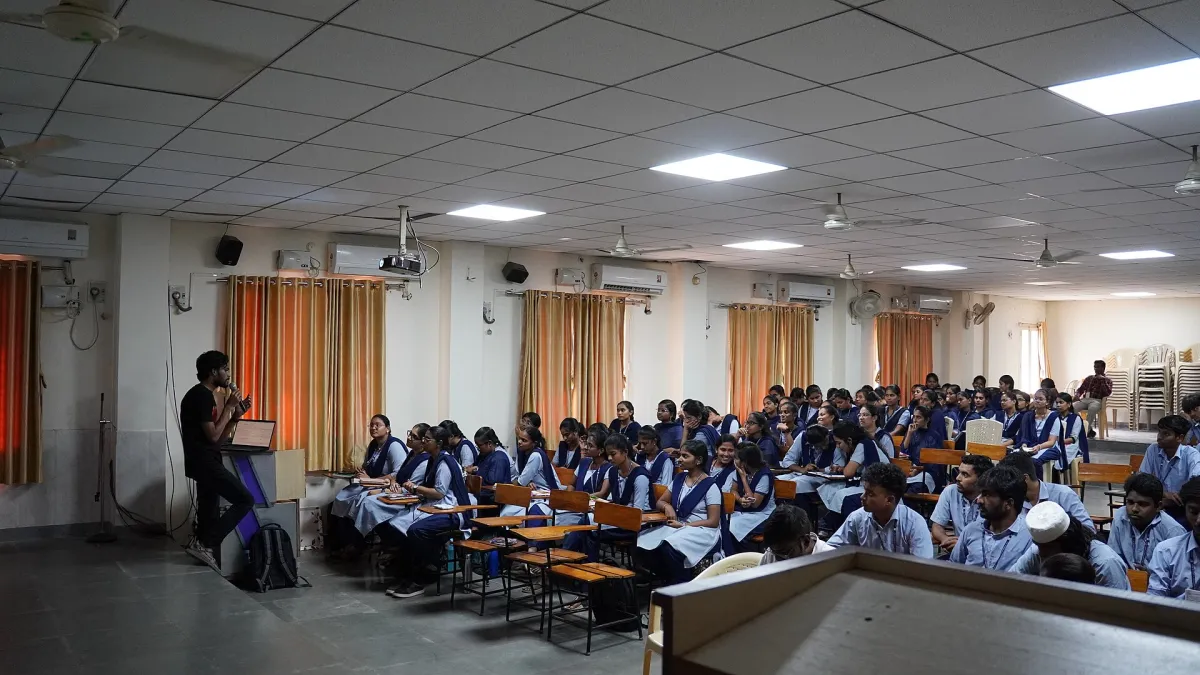
Capacity depends heavily on layout. A room that holds many people theatre-style holds far fewer at tables.
| Layout | Best for | Space needed per person |
|---|---|---|
| Theatre (rows of chairs) | Talks, launches | Least |
| Classroom (rows with tables) | Training with laptops or notes | More |
| U-shape or boardroom | Discussion, small workshops | More |
| Cluster tables | Group exercises | Most |
| Standing reception | Networking | Varies |
Ask the venue for its capacity in your chosen layout, and if possible a photo of the room set up that way.
3. AV and connectivity
- Projector or screen size, and whether it is visible from the back row.
- Microphones: how many, wired or wireless, and spare batteries.
- Speakers adequate for the room size.
- Laptop connections (HDMI, USB-C) and a clicker.
- Wi-Fi that can handle every attendee at once, if they will be online. Ask what the limit is.
- Recording or live-streaming support if needed.
- A technician available during the event, or at least at start time.
4. Comfort and facilities
- AC capacity for a full room. Rooms that are comfortable empty can get warm with a crowd.
- Washrooms close by and enough for the group.
- Power backup that covers AV and AC, not just lights.
- Natural light and blackout options if you are projecting.
- Breakout areas for tea and networking.
- Accessibility: lifts, ramps and accessible washrooms. See our guide to choosing an accessible space.
5. Food and drink
- Is catering included, offered as an add-on or arranged by you?
- Are outside caterers allowed, and is there a fee?
- Can they handle vegetarian, Jain, vegan and other dietary needs?
- Where will food be served, and is it away from the training area?
- Timing of tea breaks and lunch, and how long service takes.
6. Arrival, access and security
- How will guests be registered at the building? Some buildings need a list in advance.
- Is there parking, and how much?
- Is the building open at your times, including weekends?
- Can you put up signs and banners in the lobby and corridors?
- Who is the venue's contact person on the day?
7. Permissions and rules
For most private workshops and trainings, the venue's own rules are what matter. Ask about noise limits, end times, use of music and whether any special permission is needed for your type of event. Larger public events, ticketed events or events with music or alcohol may need permissions from local authorities; the venue should be able to tell you what applies to its premises.
8. Costs and terms
- Base rate for the slot, and whether set-up time is charged.
- AV, technician, catering and cleaning charges.
- Overtime charges if you run late.
- Advance payment and the balance due date.
- Cancellation and date-change terms.
- GST and a proper tax invoice in your business name.
9. The day itself
- Arrive early to check the layout, AV, microphones and Wi-Fi.
- Run a slide and audio test from the back of the room.
- Brief the venue contact on timings and any changes.
- Place signs from the building entrance to the room.
- Keep a printed attendee list for the security desk.
- At the end, check for left-behind items and confirm the final bill before leaving.
10. After the event
Within a day or two, check the final invoice against the quote, settle any balance and collect the GST invoice. Note what worked and what did not: AV, food timing, guest entry, room temperature. If you plan to use the venue again, share this feedback with them; a venue that responds well to feedback is worth returning to.
For smaller groups and regular sessions
If your group is small, a large meeting room may be enough; see booking a meeting room by the hour. If you run trainings every month, ask venues about a package rate. Teams that hold regular offsites in another city sometimes combine a training room with coworking desks for visiting staff, an approach described in our article on hub-and-spoke offices. For company-wide or multi-city requirements, the enterprise page explains how to share a larger brief.
Finding a venue
On Coworks you can browse event spaces by city, for example in Hyderabad, shortlist up to four and enquire directly with each. Send them your brief and compare the written answers before you pay an advance.
Questions people ask
How far in advance should I book an event space?
As early as you can once the date is fixed, especially for weekday mornings and month-end dates in busy districts. Larger venues and weekends may need even more notice.
Is catering usually included in an event space booking?
Sometimes, but often it is separate or offered through approved vendors. Ask whether outside caterers are allowed and whether there is a charge for using them.
What should I check in the cancellation terms?
Check how much of the advance is refundable at different notice periods, whether you can move the date instead of cancelling, and what happens if the venue cancels.